Çoban Bey Tomb
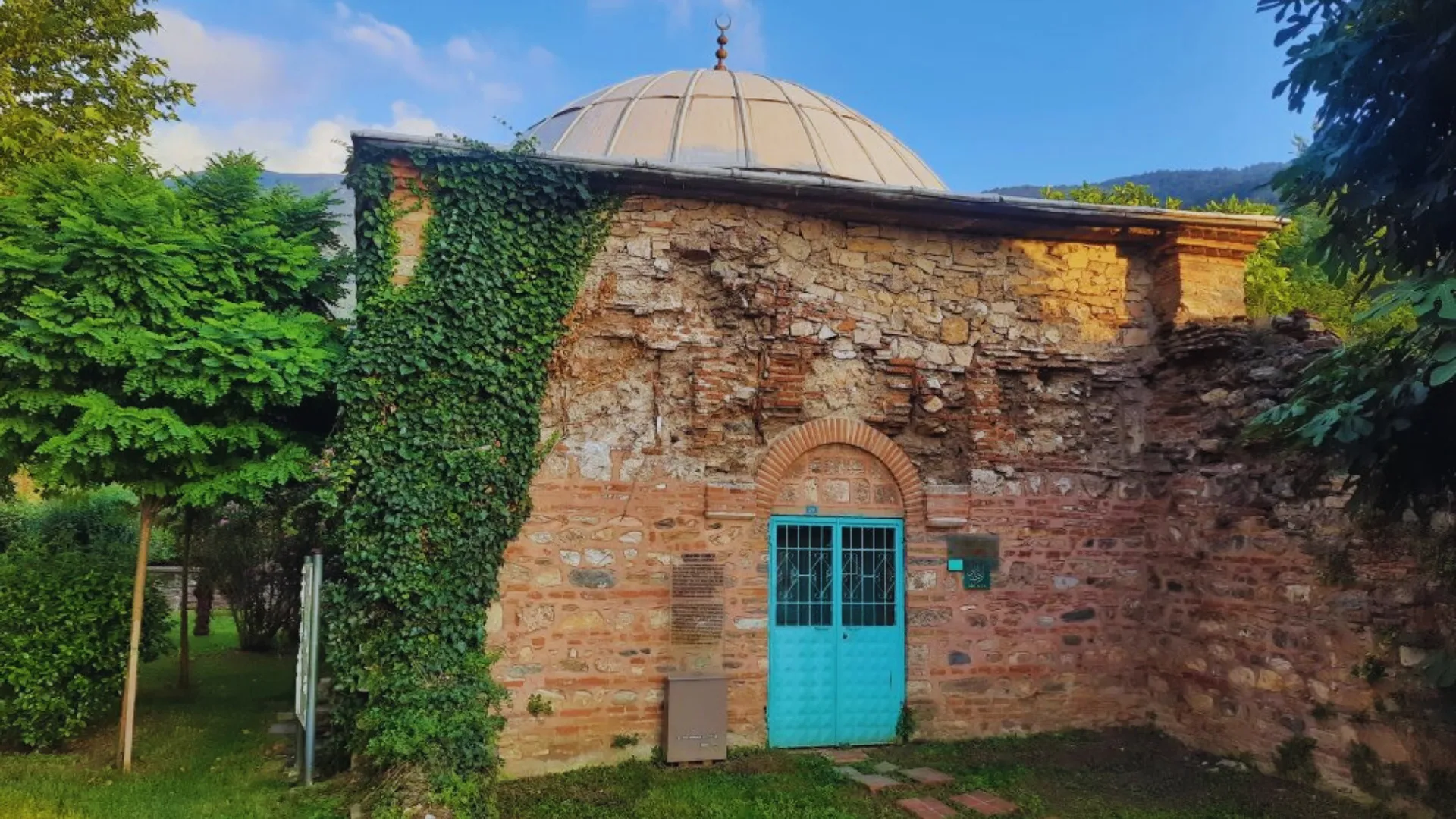
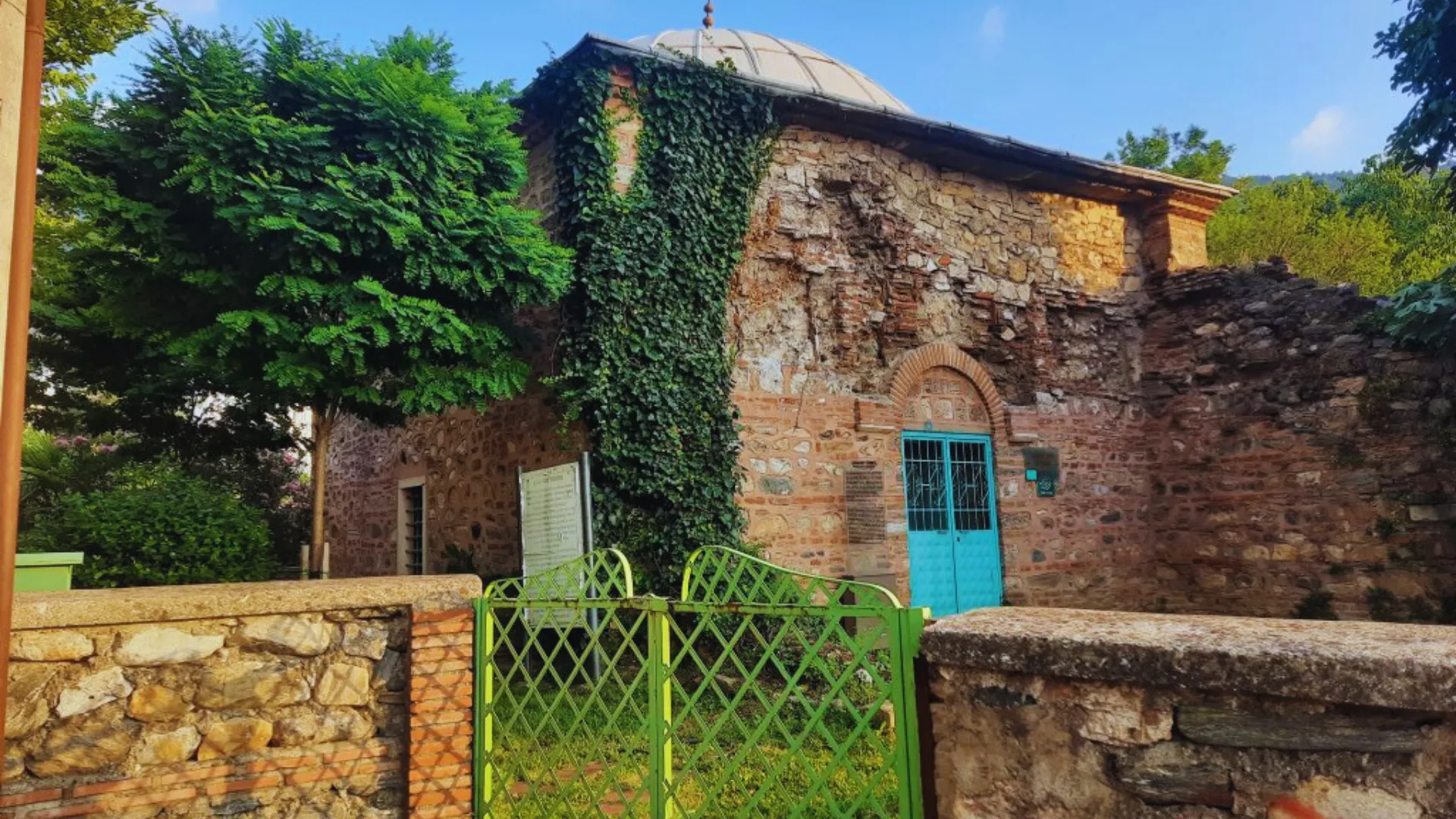
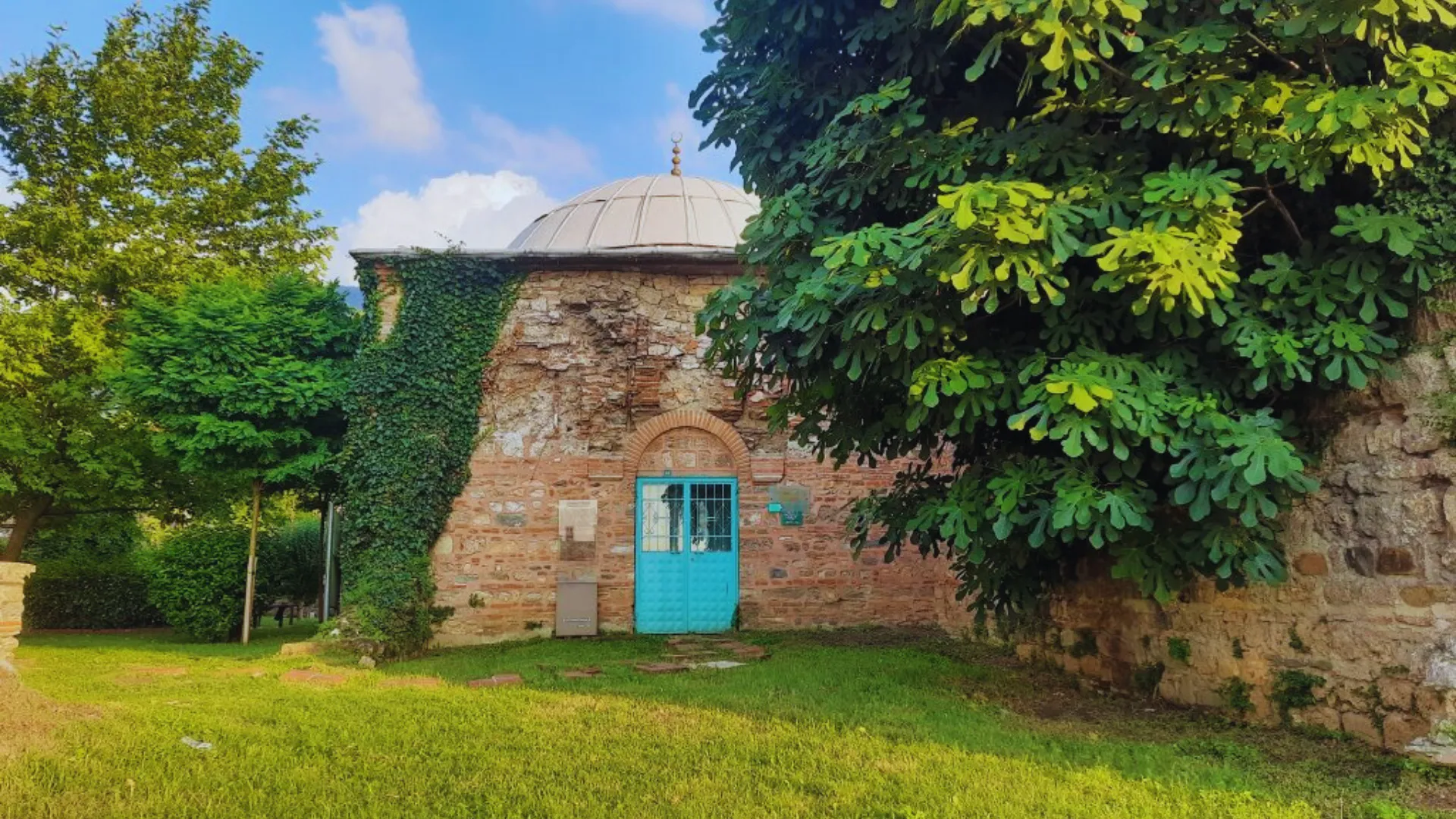
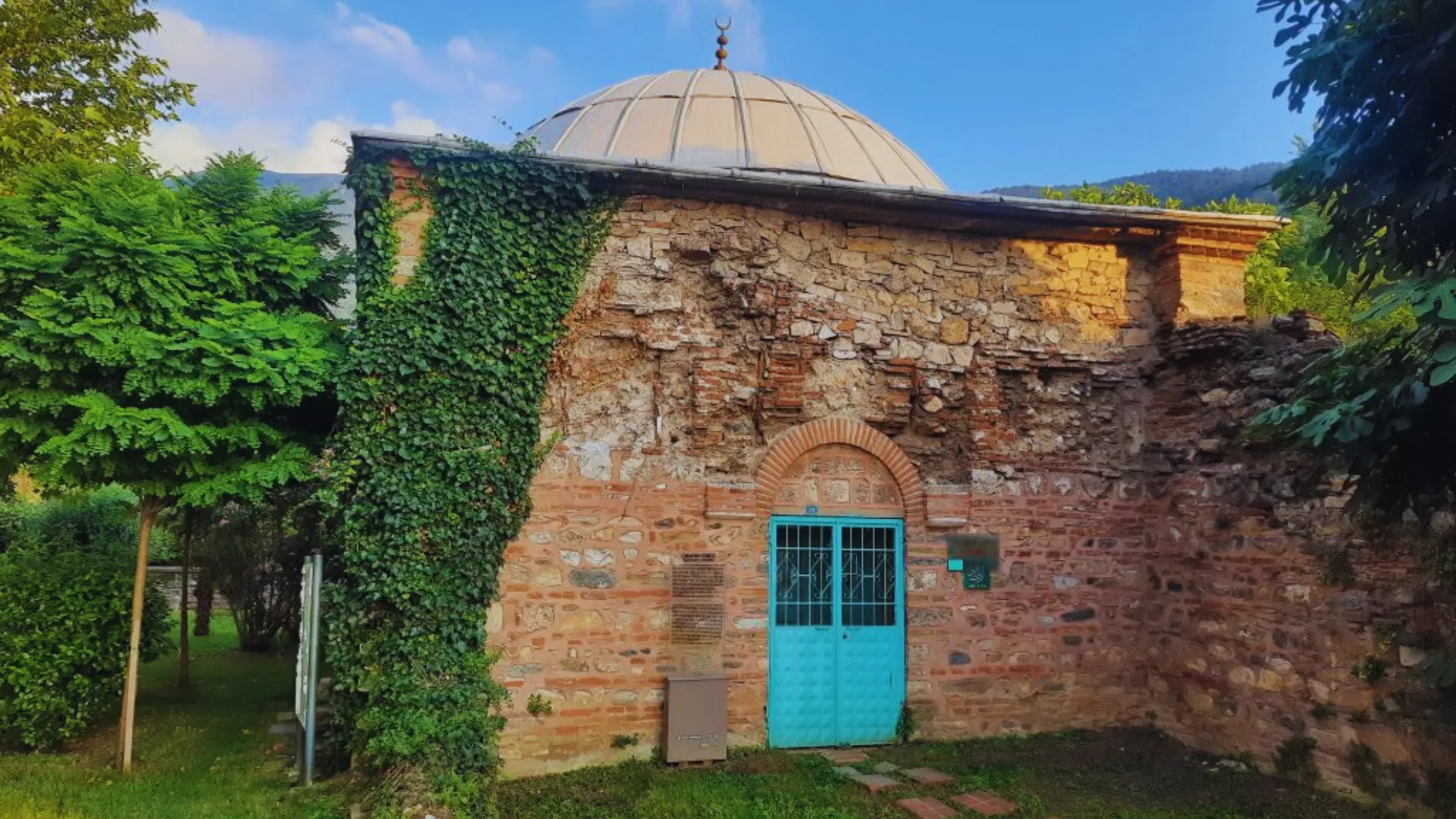
Located in the Yıldırım district of Bursa, the Çoban Bey Tomb is an important historical monument associated with the foundation of the Ottoman Empire. The tomb belongs to Çoban Bey, a son of Osman Gazi, the founder of the Ottoman dynasty. Dating to the early 14th century, the structure preserves the simple architectural characteristics of the early Ottoman period and reflects Bursa's heritage from the era of its conquest.
Çoban Bey was among the warriors who took part in the conquest of Bursa and was an important figure in the early history of the Ottoman state. During the Ottoman period, he held extensive lands stretching across Setbaşı, Molla Arap, Yeşil, and the eastern bank of the Gökdere Stream toward Irgandı Bridge. In the area surrounding Balabancık Fortress, within the neighborhood that now bears his name, he commissioned his tomb and endowed nearby lands for its upkeep.
Following Çoban Bey's death, his descendants had a small mosque built in front of the tomb, followed by a madrasa in a later period. The site thus developed into a place associated not only with remembrance but also with religious and educational activities. However, the mosque and madrasa were destroyed following the devastating Bursa earthquake of 1855. The tomb itself survived through subsequent restoration work.
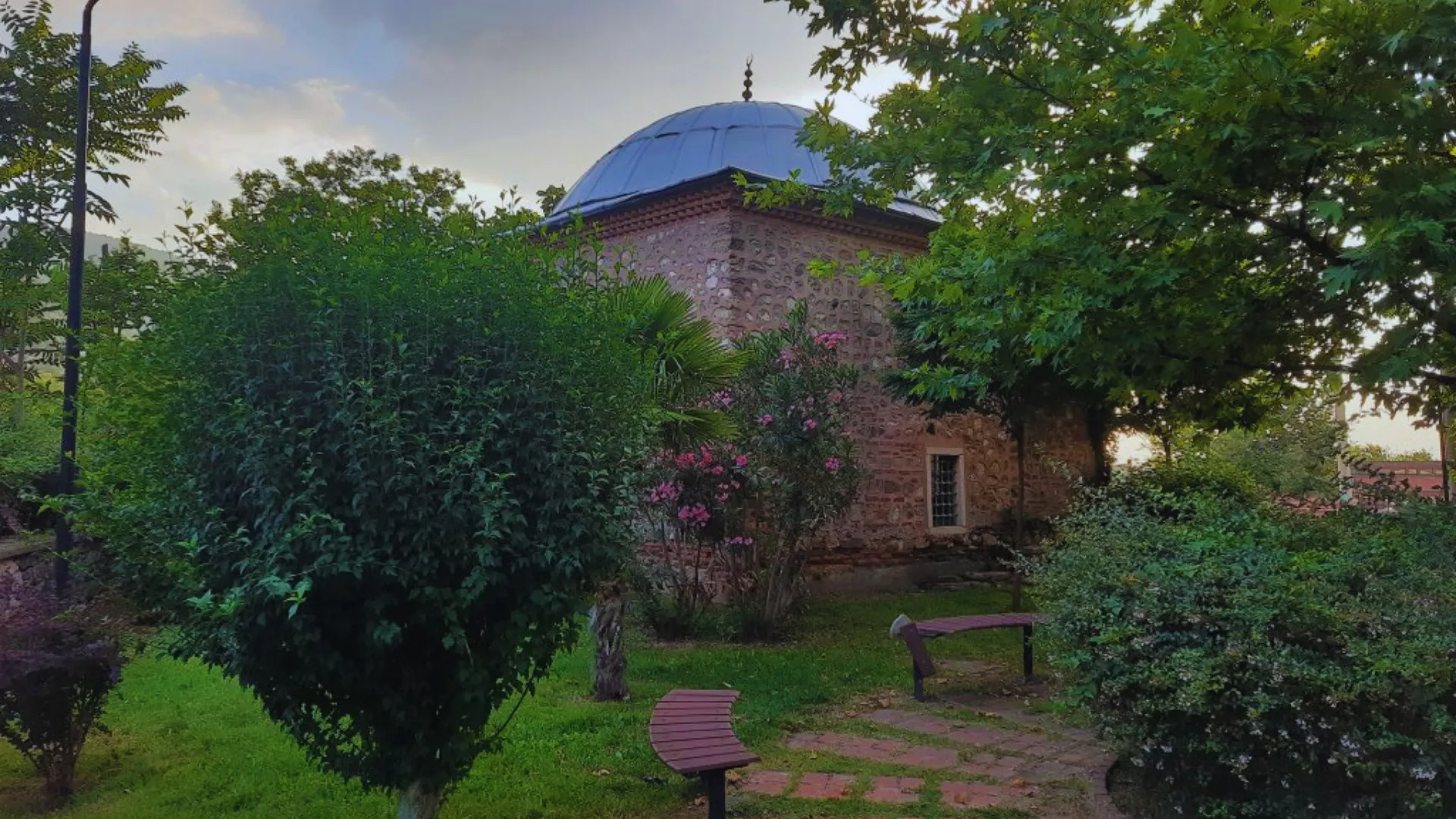
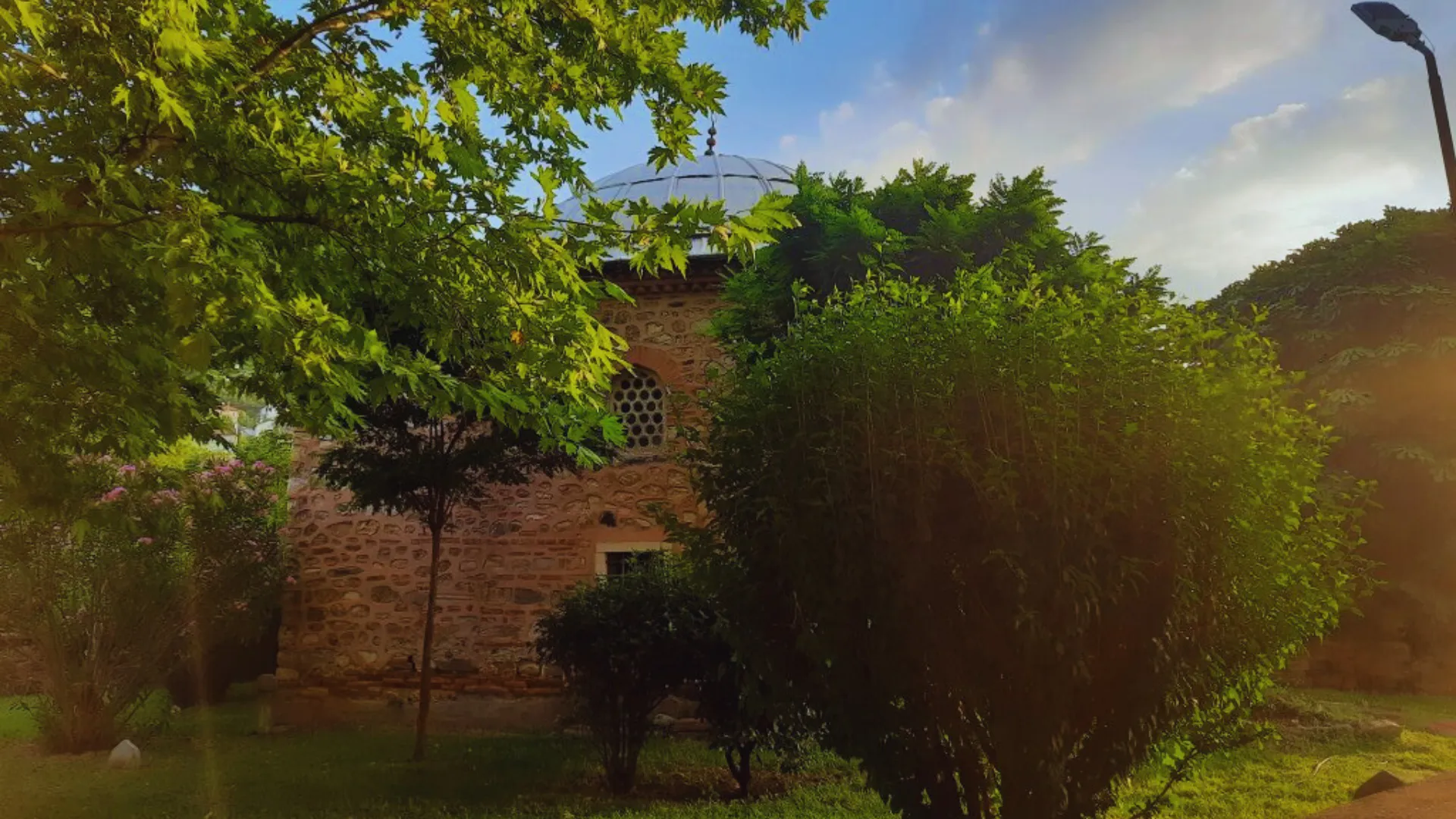
The building reflects the restrained architectural style of early Ottoman tombs. It has a square plan and is covered by a low dome, illustrating the modest yet distinctive design of funerary monuments from the formative years of the Ottoman state. Inside the tomb are six graves, including that of Çoban Bey.
Beyond its architectural features, the Çoban Bey Tomb provides insight into Bursa's early Ottoman settlement history. Together with nearby Balabancık Fortress and other historical sites, it offers visitors an opportunity to explore the city's transformation during the period surrounding the Ottoman conquest.
For travelers interested in the history of Bursa, the Çoban Bey Tomb is a meaningful cultural landmark associated with the earliest generations of the Ottoman dynasty. With its simple architecture, centuries-old history, and historical significance, it is one of the city's noteworthy early Ottoman funerary monuments.
Interactions
Other Venues

For All Requests, Complaints, and Questions
444 16 00