
İznik Hisardere Necropolis
Located north of the ancient city of Nicaea in Bursa's İznik district, the Hisardere Necropolis is an important archaeological site that preserves the burial traditions of the Roman and Early Byzantine periods. With monumental sarcophagi dating back approximately 1,800 years, diverse tomb structures, and remarkable archaeological discoveries, Hisardere offers valuable insights into the rich cultural history of ancient İznik.
The necropolis is situated in the Bayırdibi locality of Hisardere, approximately 2.4 kilometers north of İznik's town center and 1.2 kilometers inland from Lake İznik. Serving as one of the burial grounds outside ancient Nicaea, the site was used over several centuries, from the Roman Imperial period into the Early Byzantine era.
Among the most remarkable discoveries at Hisardere are its richly decorated sarcophagi. The Sarcophagus of Antigonos, Sarcophagus of Gregorios, Sarcophagus of the Gods, and Sarcophagus of Nigrenie and Her Daughter Astyrist provide important evidence of funerary art and social life in ancient Nicaea. Additional sarcophagi decorated with figures of Eros reveal the artistic traditions and mythological imagery of the Roman world.
The reliefs, sculpted figures, and ornamental details on these sarcophagi reflect the artistic achievements of their time. Depictions of Eros are particularly significant for understanding Roman symbolism associated with death and the afterlife. These discoveries also contribute to research into ancient stone carving and sarcophagus production in the Nicaea region.
The excavations have revealed a variety of burial structures beyond monumental sarcophagi. Chamber tombs covered with terracotta roof tiles, underground vaulted tombs, and simpler stone graves demonstrate the diversity of burial practices among different social groups. The terracotta-roofed chamber tombs, particularly associated with third-century Nicaea, are among the site's distinctive archaeological features.
Burial gifts, human remains, and preserved textile fragments offer rare insights into ancient funerary customs and beliefs. In some sarcophagi, researchers identified individuals wrapped in cotton burial shrouds. These discoveries provide a remarkable connection to the people who lived in the region nearly two thousand years ago.
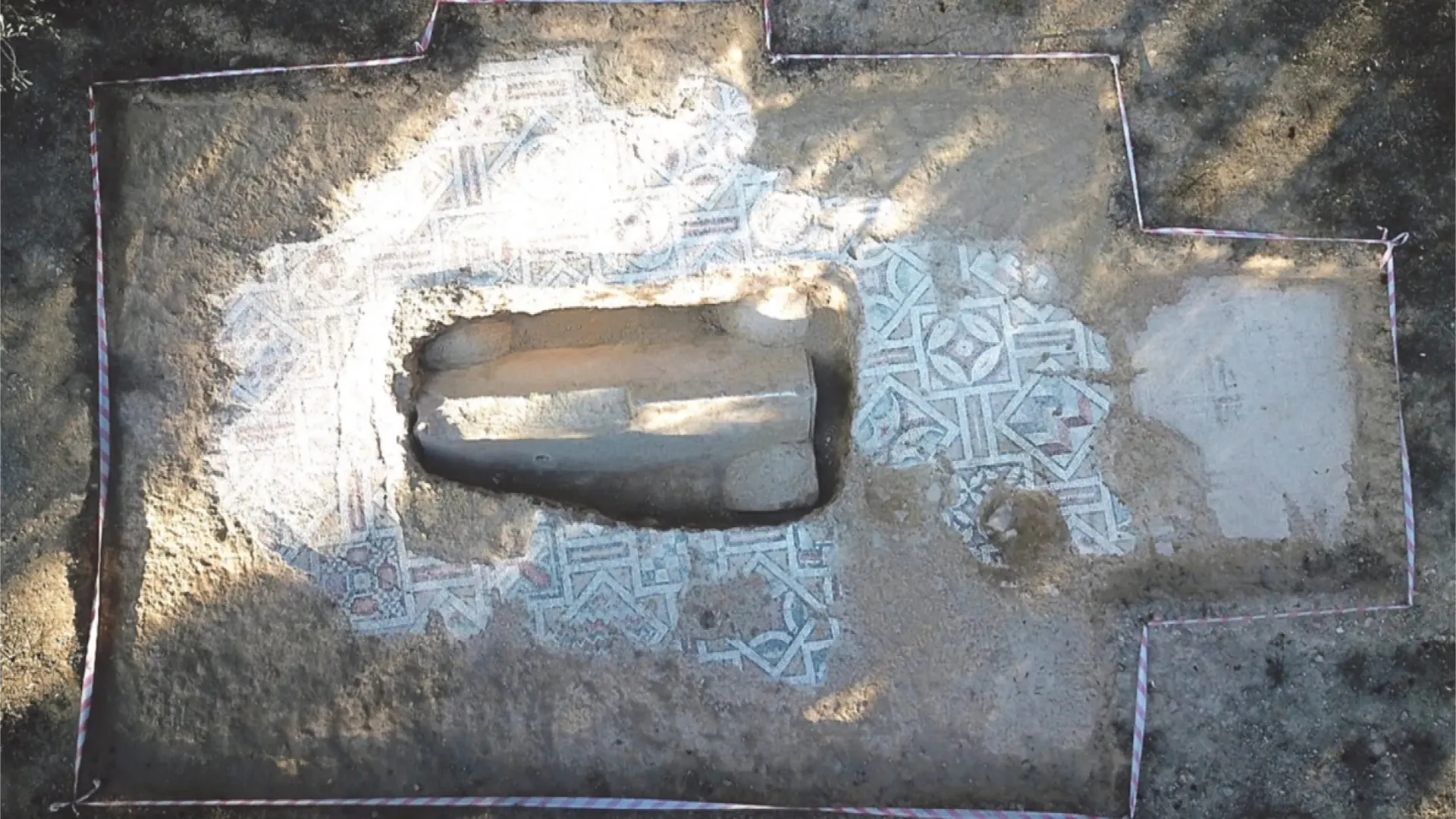
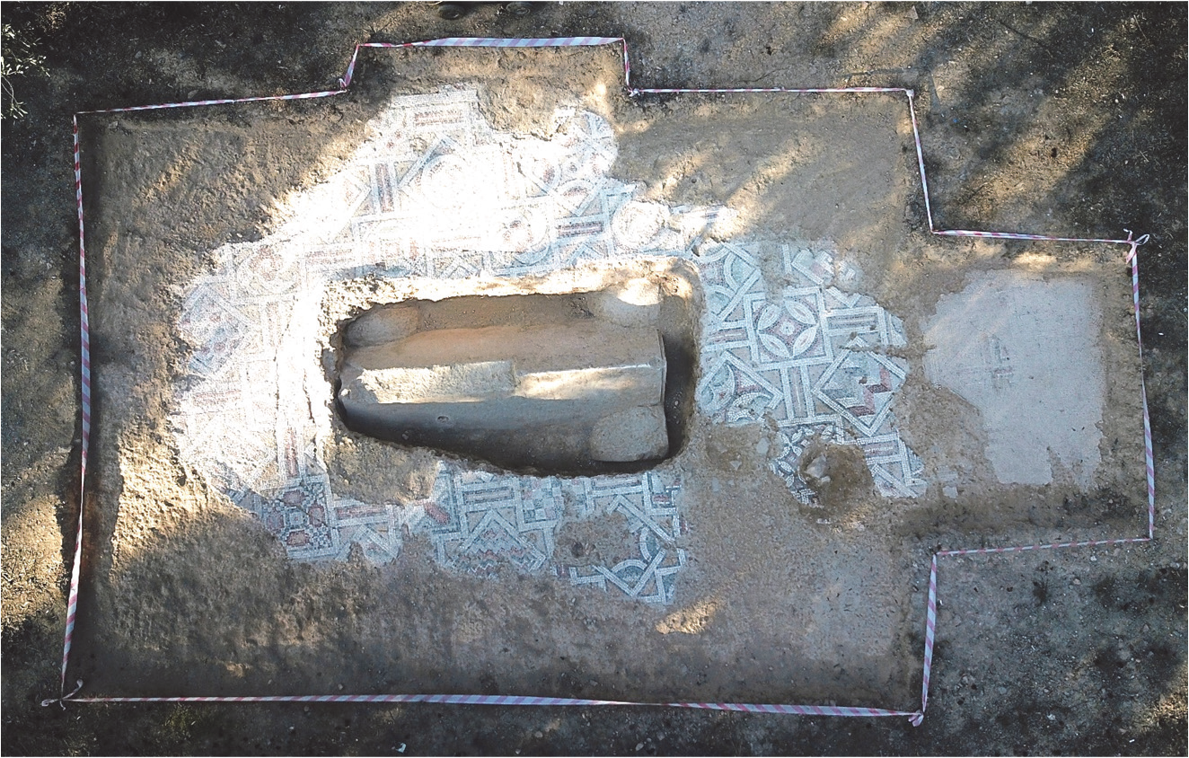
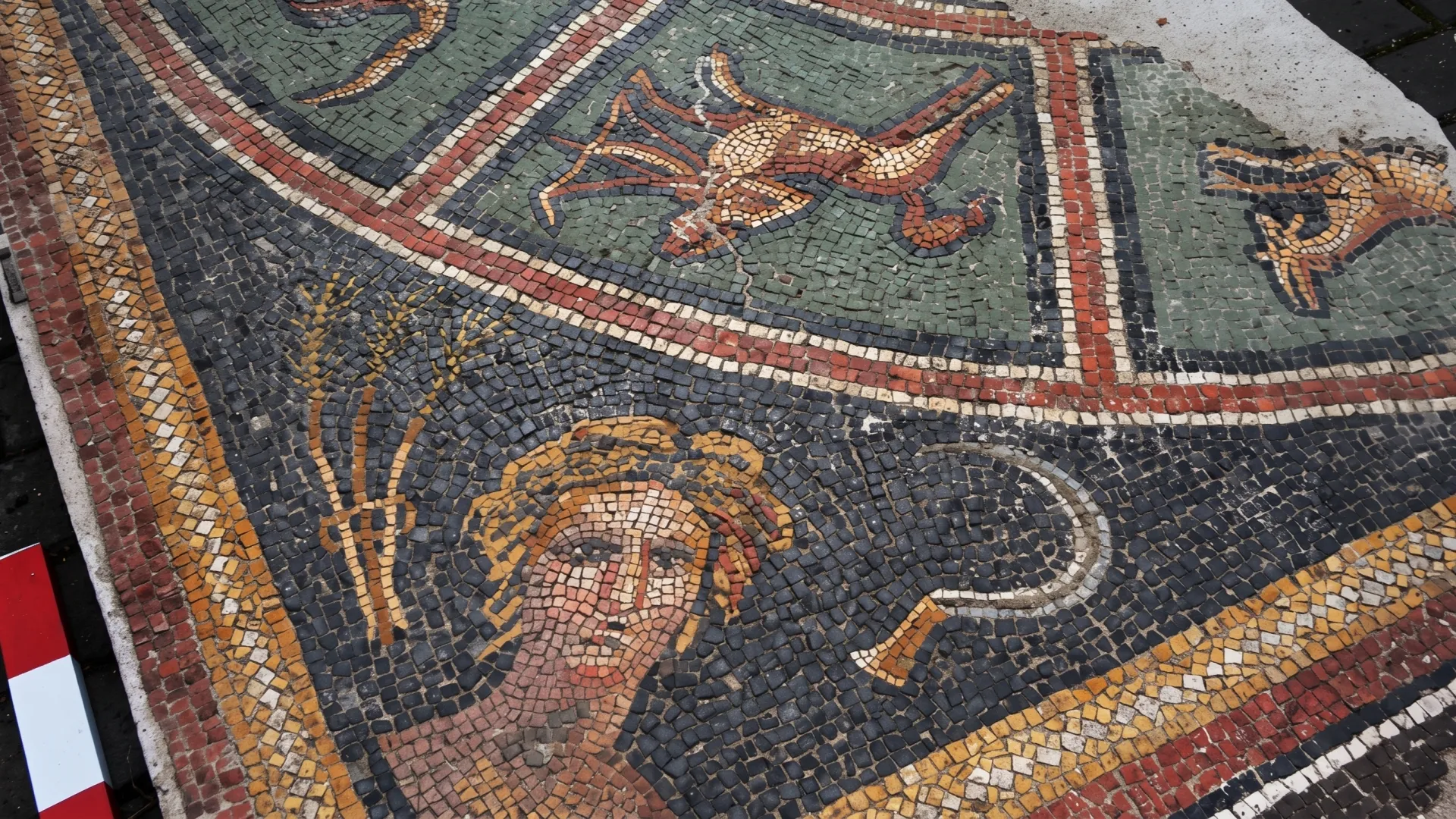
The site also preserves architectural remains from the Early Byzantine period. Mosaic floors and associated wall structures uncovered during excavations indicate the presence of a basilica dating to the fifth century AD. These findings demonstrate how the area acquired new religious and architectural functions over time.
Designated as a first-degree archaeological protected area in 1992, Hisardere became the focus of rescue excavations in 2015, followed by systematic archaeological investigations beginning in 2018. Research led by the İznik Museum Directorate with scientific contributions from Dokuz Eylül University continues to deepen our understanding of Nicaea's funerary traditions and cultural history.
The monumental sarcophagi discovered at Hisardere are exhibited at the İznik Museum, where visitors can explore the remarkable craftsmanship and burial traditions of the ancient city. Plans to preserve and potentially develop the necropolis as an archaeological park highlight its importance for cultural heritage tourism.
The İznik Hisardere Necropolis is one of Bursa's most fascinating archaeological heritage sites, offering a journey through Roman and Early Byzantine funerary art, mythology, architecture, and ancient beliefs.
Interactions
Other Venues

For All Requests, Complaints, and Questions
444 16 00


