
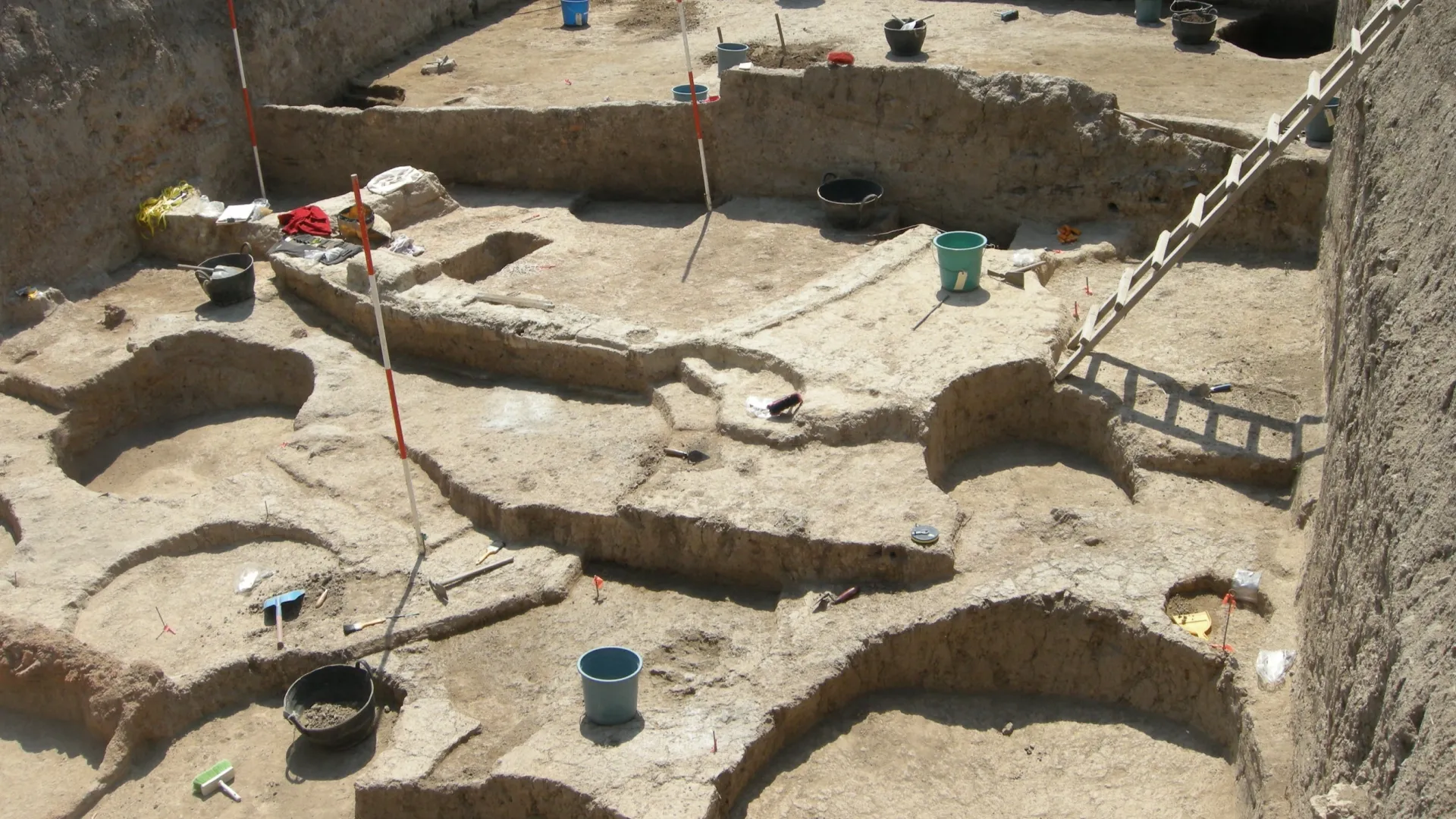
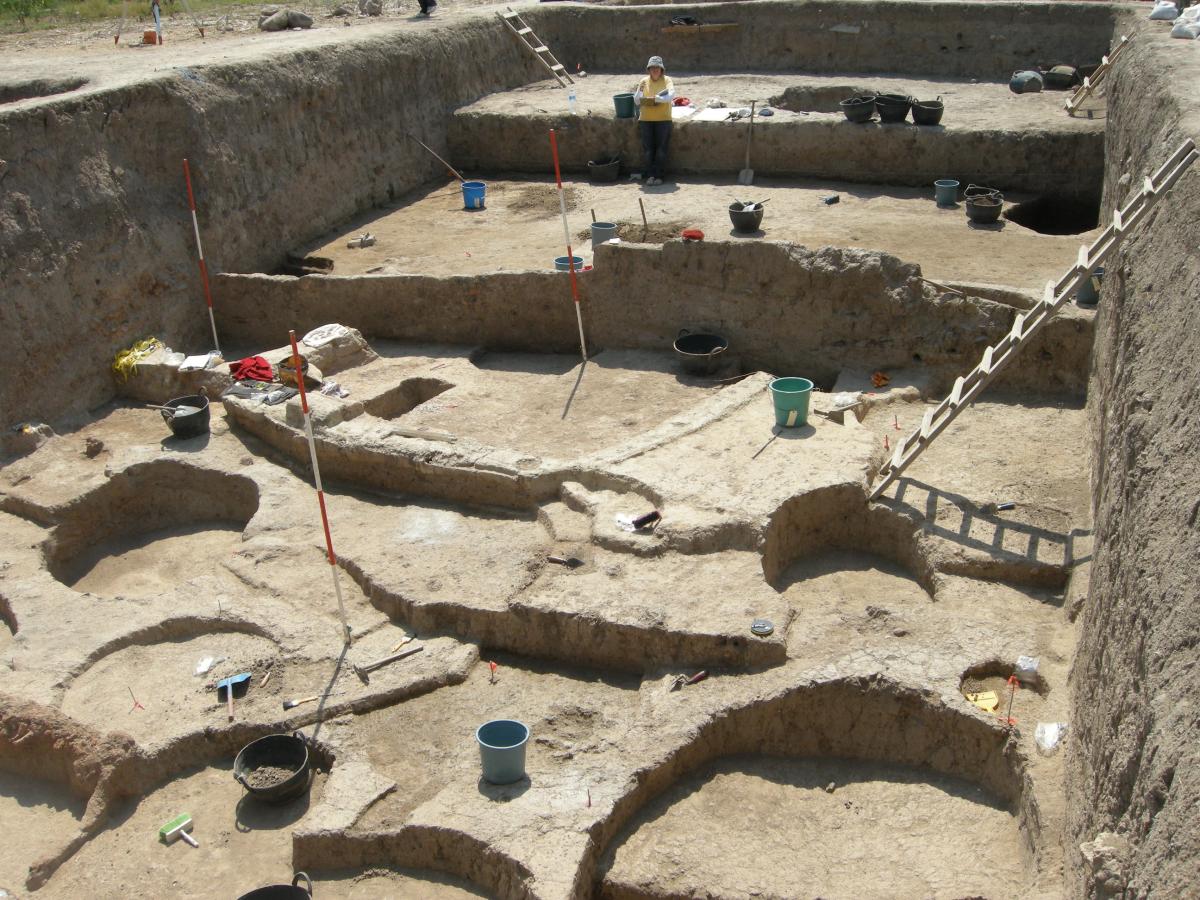
Menteşe Höyük Archaeological Site
Located in the northwestern part of the fertile Yenişehir Plain in Bursa’s Yenişehir district, Menteşe Höyük is an important prehistoric archaeological settlement that offers valuable insights into the early history of Anatolia. Dating back approximately 8,500 years, the site helps researchers understand the development of agriculture, animal husbandry, permanent settlements, and the daily lives of early Neolithic farming communities.
The mound is situated approximately 500 meters southwest of the settlement of Menteşe, in an area once surrounded by wetlands and abundant natural water resources. Today, the surrounding landscape is largely agricultural, but archaeological and environmental evidence suggests that the region was considerably wetter in prehistoric times. These conditions provided early inhabitants with access to water, fertile land, and natural food resources.
The earliest settlement levels at Menteşe Höyük date to the second half of the seventh millennium BC, approximately 6500–6400 BC. This period represents an important stage in the transition from mobile hunter-gatherer lifestyles to permanent village communities based on farming and livestock breeding.
Archaeological investigations have uncovered flint tools, implements made from bone and antler, grinding stones, pottery fragments, and animal remains. These discoveries provide important information about Neolithic daily life, food preparation, and production activities. Grinding stones and animal bones are particularly valuable for understanding the role of agriculture and animal husbandry in the settlement’s economy.
Menteşe Höyük became an important research site within international archaeological projects investigating the earliest farming communities of northwestern Anatolia. Following archaeological surveys in the 1960s, systematic excavations began in 1997 under the direction of archaeologist Jacob Roodenberg. These investigations contributed significantly to the understanding of prehistoric settlement in the Yenişehir Plain.
Together with Ilıpınar Höyük in Orhangazi and Barcın Höyük in Yenişehir, Menteşe Höyük plays an important role in research into the spread of farming and permanent settlement across the Marmara Region. These sites provide valuable evidence of cultural interactions between Anatolia and other regions during the Neolithic period.
The scientific importance of Menteşe Höyük continues today. Recent ancient DNA research involving Neolithic animal remains from the site has provided new insights into the history of diseases affecting early livestock populations. These studies demonstrate how archaeological discoveries can illuminate not only ancient lifestyles but also the shared history of humans and domesticated animals.
Menteşe Höyük is a significant archaeological heritage site for visitors interested in prehistoric Anatolia, early farming societies, and the origins of settled life. Its ancient remains and scientific discoveries reveal an important chapter in the cultural history of Bursa and the Yenişehir Plain.
Interactions
Other Venues

For All Requests, Complaints, and Questions
444 16 00


