

Ancient City of Myrleia
Located on the southern coast of the Sea of Marmara in Bursa’s Mudanya district, the Ancient City of Myrleia is one of the region’s oldest settlements, with a history stretching back approximately 2,700 years. Situated on the hill known as Hisarlık, about one kilometer southeast of modern Mudanya, the ancient city was established by settlers from Colophon in Ionia. With a history spanning the Hellenistic, Roman, and Byzantine periods, Myrleia represents an important part of Mudanya’s archaeological and cultural heritage.
The foundation of Myrleia is generally dated to the 7th century BC. Mentioned in ancient written sources, the settlement gradually developed into an important coastal trading center thanks to its strategic position along the Sea of Marmara. Located within the historical region of Bithynia, Myrleia established economic and cultural connections with neighboring settlements through maritime trade.
A significant turning point in the city’s history occurred during the Hellenistic period. Following political developments involving King Philip V of Macedonia and King Prusias I of Bithynia, the settlement was reorganized and renamed Apameia, in honor of Apame, the wife of Prusias I. This change reflects the political and cultural relationships that shaped the region during the Hellenistic era.
The city continued to prosper under Roman rule. As a coastal trading center, Apameia served as an important maritime connection for Prusa ad Olympum, the ancient city of Bursa. Its harbor supported the movement of goods and people across the Sea of Marmara, while its acquisition of Roman colonial status further strengthened its regional significance.
The remains of Myrleia offer valuable insights into ancient urban planning. The fortified settlement on Hisarlık Hill, the lower residential areas extending northward, and traces of the ancient harbor reveal the different functional zones of the city. This layout reflects the strategic importance of Myrleia for both defense and maritime commerce.
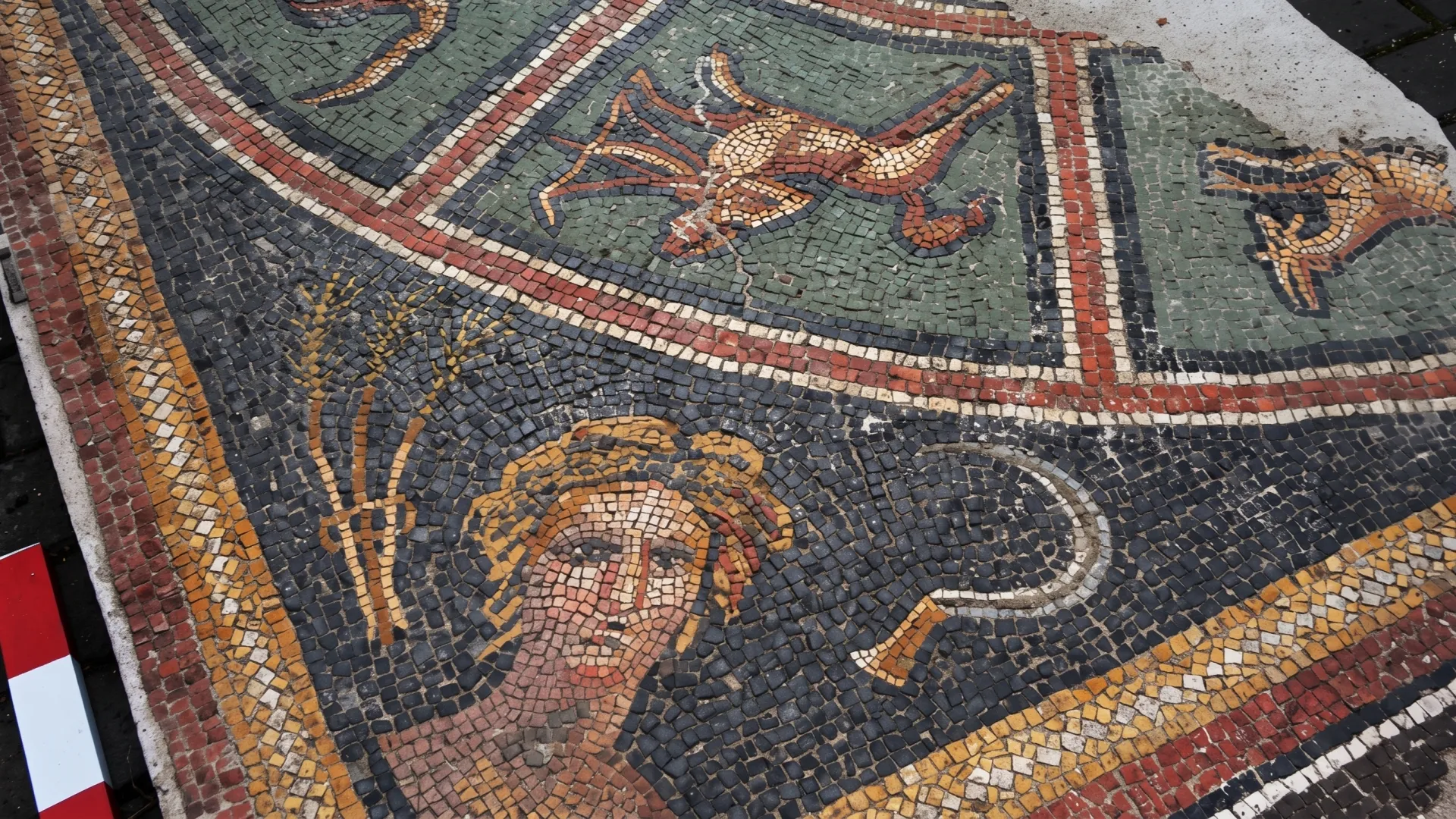
Archaeological investigations and discoveries made during modern construction activities have revealed important evidence of the ancient settlement. In particular, architectural remains uncovered during construction work in 2012 provided valuable information about the city’s historical urban fabric. Stone walls, building foundations, and other structural remains demonstrate the archaeological potential of the area.
Today, the protected archaeological site of Myrleia is an important part of Mudanya’s cultural heritage. The preservation of its ancient remains, continued scientific research, and responsible presentation of the site are essential for passing this historical legacy on to future generations.
The Ancient City of Myrleia offers a fascinating journey through the history of Ionia, Hellenistic kingdoms, Roman trade, and Byzantine civilization. For travelers interested in archaeology and the ancient heritage of the Marmara coast, it is a meaningful cultural landmark in Bursa.


Interactions
Other Venues

For All Requests, Complaints, and Questions
444 16 00


