
Hadrianoi Ancient City Excavations in Orhaneli
Located on the southern slopes of Mount Uludağ in Bursa's Orhaneli district, the ancient city of Hadrianoi is an important archaeological settlement that sheds light on the history of the Roman Empire in Anatolia. Associated with Emperor Hadrian and traditionally dated to AD 123, the city has a history stretching back approximately 1,900 years and forms a significant part of Orhaneli's cultural identity.
In antiquity, Hadrianoi was situated in the mountainous landscape between the historical regions of Mysia and Bithynia. The city is linked to Emperor Hadrian's travels through Anatolia. According to historical accounts, the emperor visited the area and was attracted by its natural environment, particularly its suitability for hunting. The foundation of a settlement bearing his name is traditionally associated with this visit.
Hadrianoi remained significant beyond the Roman period. During the Eastern Roman era and subsequent centuries, the settlement continued to develop and became known by names such as Adranos and Atranos. The region came under Ottoman control in the early 14th century, contributing to the historical development of modern Orhaneli.
Archaeological excavations began in 2026 to investigate the remains of Hadrianoi and better understand its ancient urban landscape. The research is being conducted with permission from the Turkish Ministry of Culture and Tourism, under the direction of the Bursa Museum Directorate and the scientific supervision of Professor Derya Şahin from the Department of Archaeology at Bursa Uludağ University.
Covering approximately 5,000 square meters, the excavations aim to identify the city's architectural remains, clarify its urban organization, and establish a more precise understanding of the ancient settlement's location and extent. The project is expected to provide important evidence of Roman urban planning and the cultural history of the Orhaneli region.
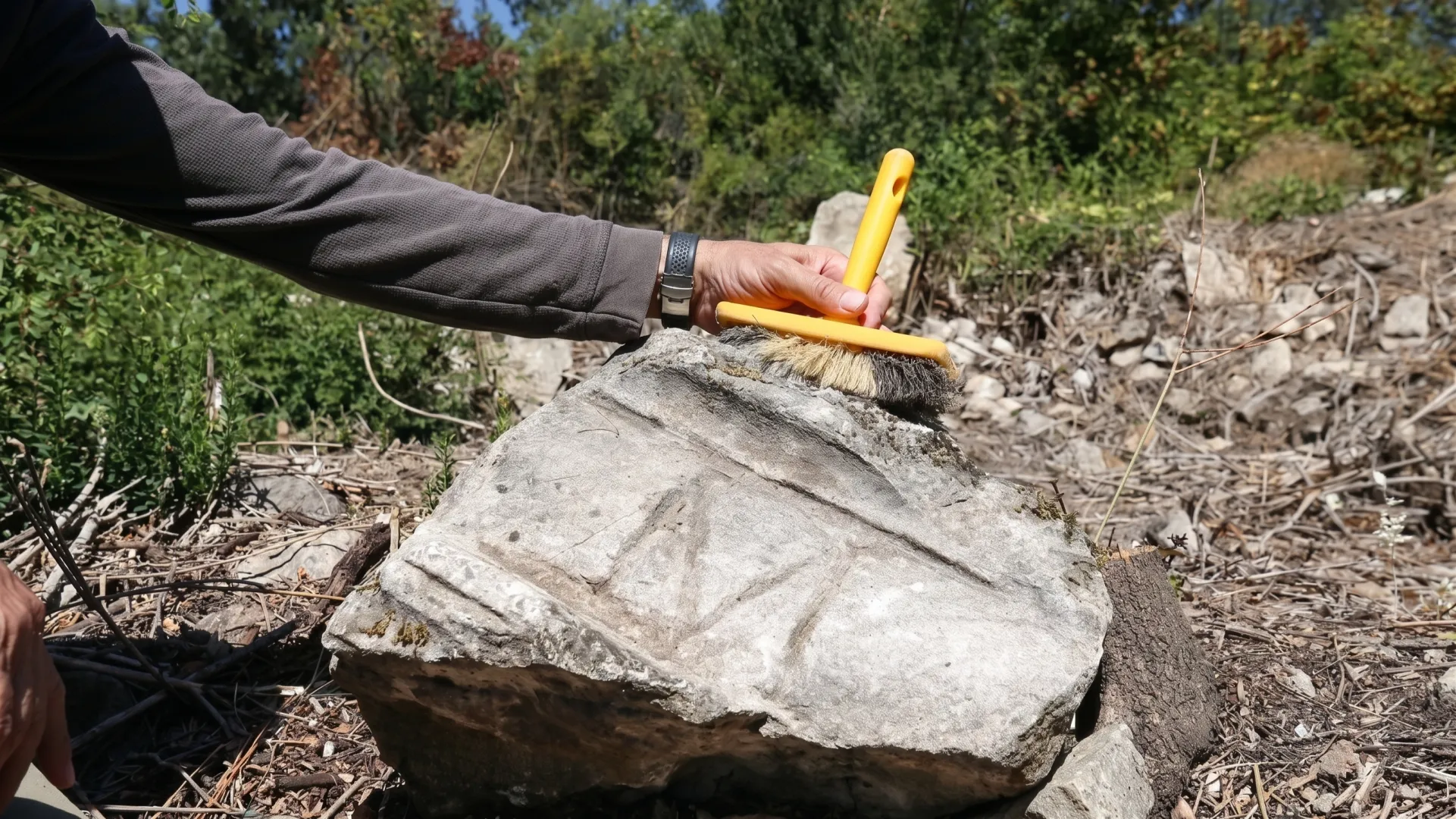
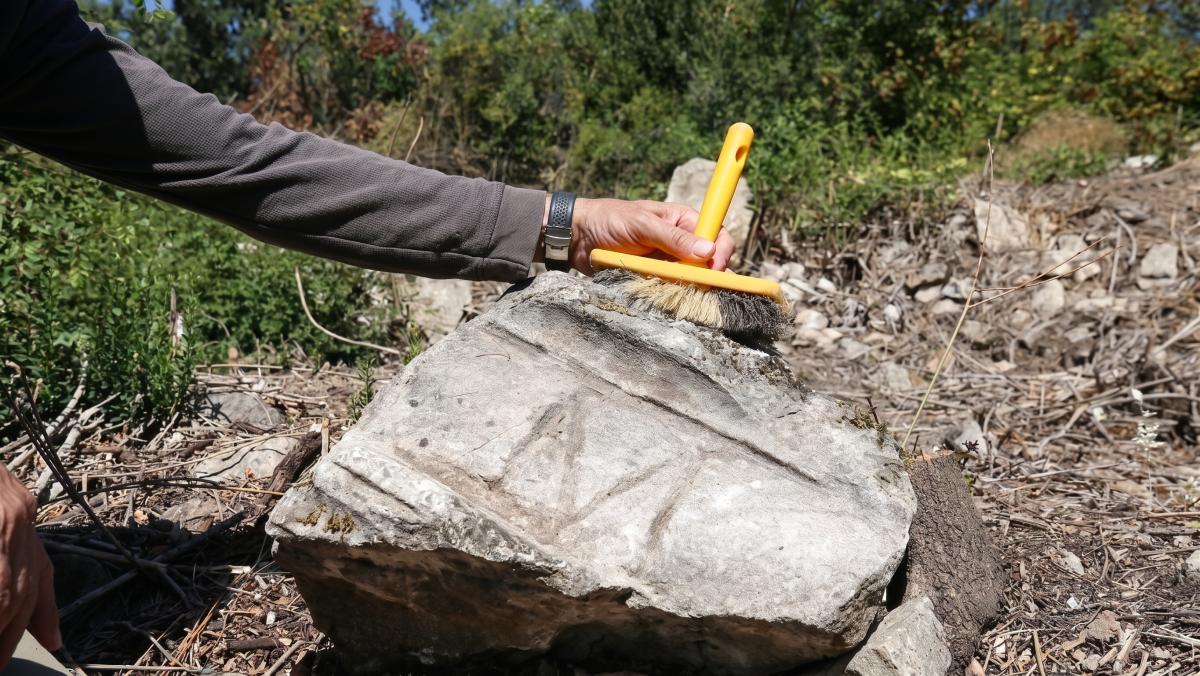
One of the most notable discoveries is the remains of a monumental building, including walls and architectural elements preserved in their original positions. Researchers are considering whether the structure may have served as an agora, a center of public and commercial life, or a gymnasium, a building associated with physical training, education, and social activities. Its precise function has not yet been established.
The identification of this building could provide valuable insights into the daily life, public institutions, and social organization of Hadrianoi. Continued excavations may also reveal additional architectural features and artifacts that help reconstruct the city's historical development.
Hadrianoi's archaeological heritage is closely connected to other historical remains in Orhaneli. The surviving traces of Atranos Castle, associated with the Eastern Roman and Ottoman periods, illustrate the region's long history of settlement and political change.
The Hadrianoi Ancient City Excavations represent an important new chapter in the archaeological exploration of Bursa. Set within the mountainous landscape south of Mount Uludağ, the site demonstrates that Orhaneli possesses not only remarkable natural beauty but also a rich cultural heritage dating back to Roman antiquity.
As archaeological research progresses, discoveries at Hadrianoi are expected to deepen our understanding of the city's architecture, public life, and historical connections within ancient Anatolia.
Interactions
Other Venues

For All Requests, Complaints, and Questions
444 16 00


