Umurbey Mosque
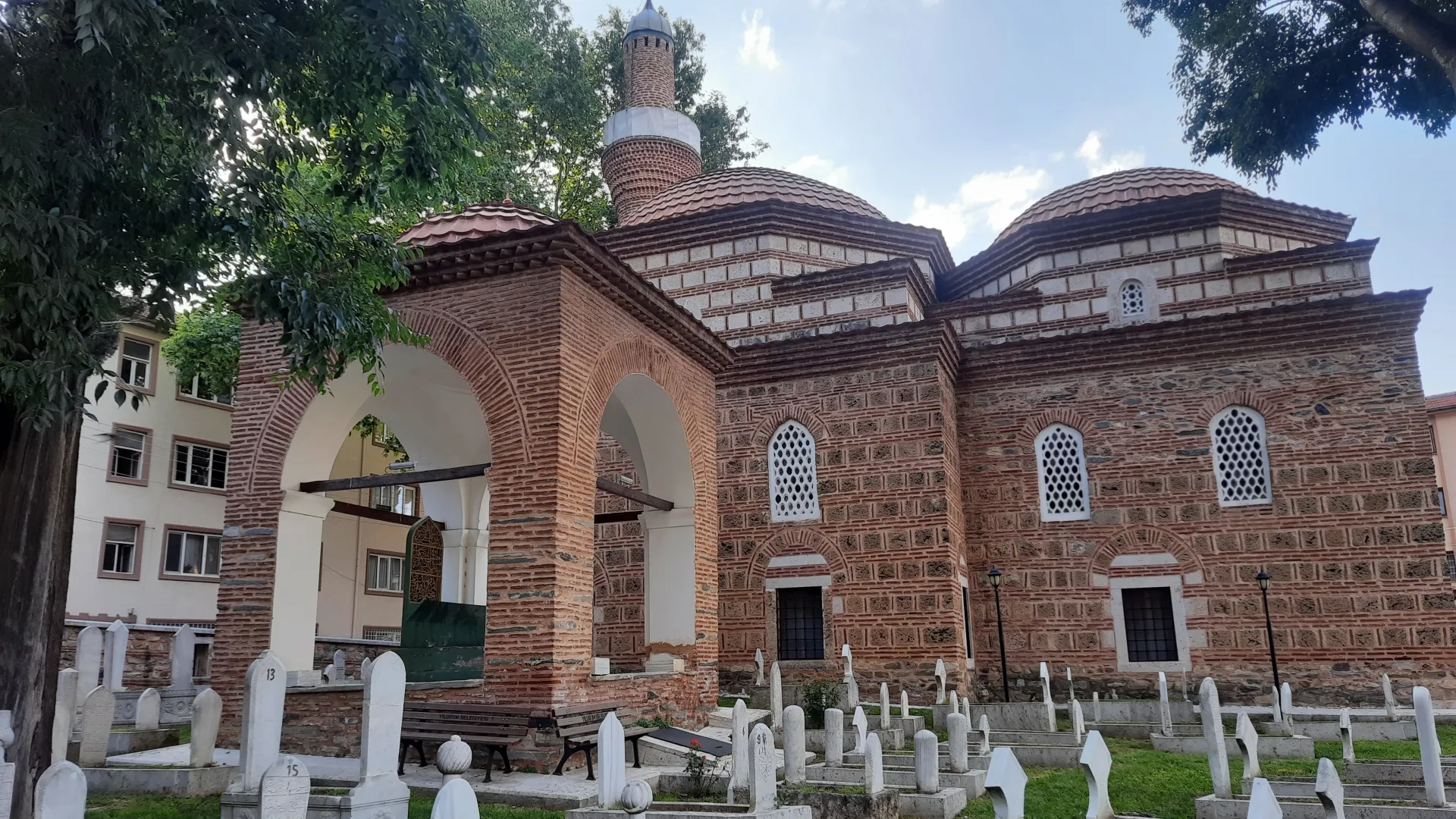
One of Bursa’s important monuments preserving the architectural and cultural heritage of the early Ottoman period, Umur Bey Mosque was commissioned in the mid-15th century by Umur Bey, an Ottoman statesman, military commander, and scholar. In addition to its distinctive architectural features, the mosque holds particular historical significance for its inscriptions containing some of the earliest known Turkish-language endowment deeds in Bursa.
Umur Bey, the son of Timurtaş Pasha, held important military and administrative positions in the Ottoman Empire and attained the rank of vizier during the reign of Sultan Murad II. Known for his interest in scholarship and culture, he contributed to Bursa’s religious and social life through the mosque and the charitable endowments associated with it.
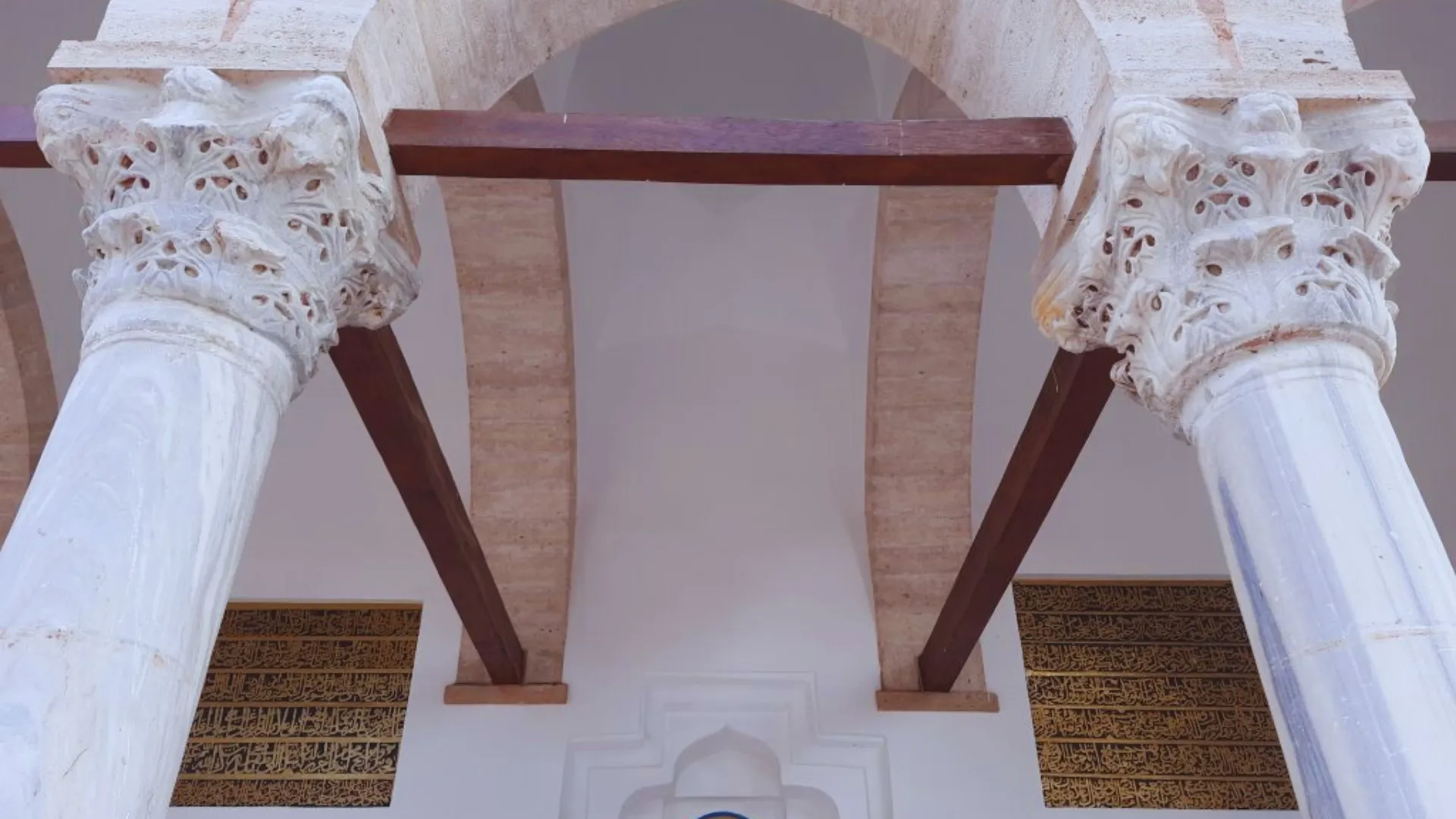
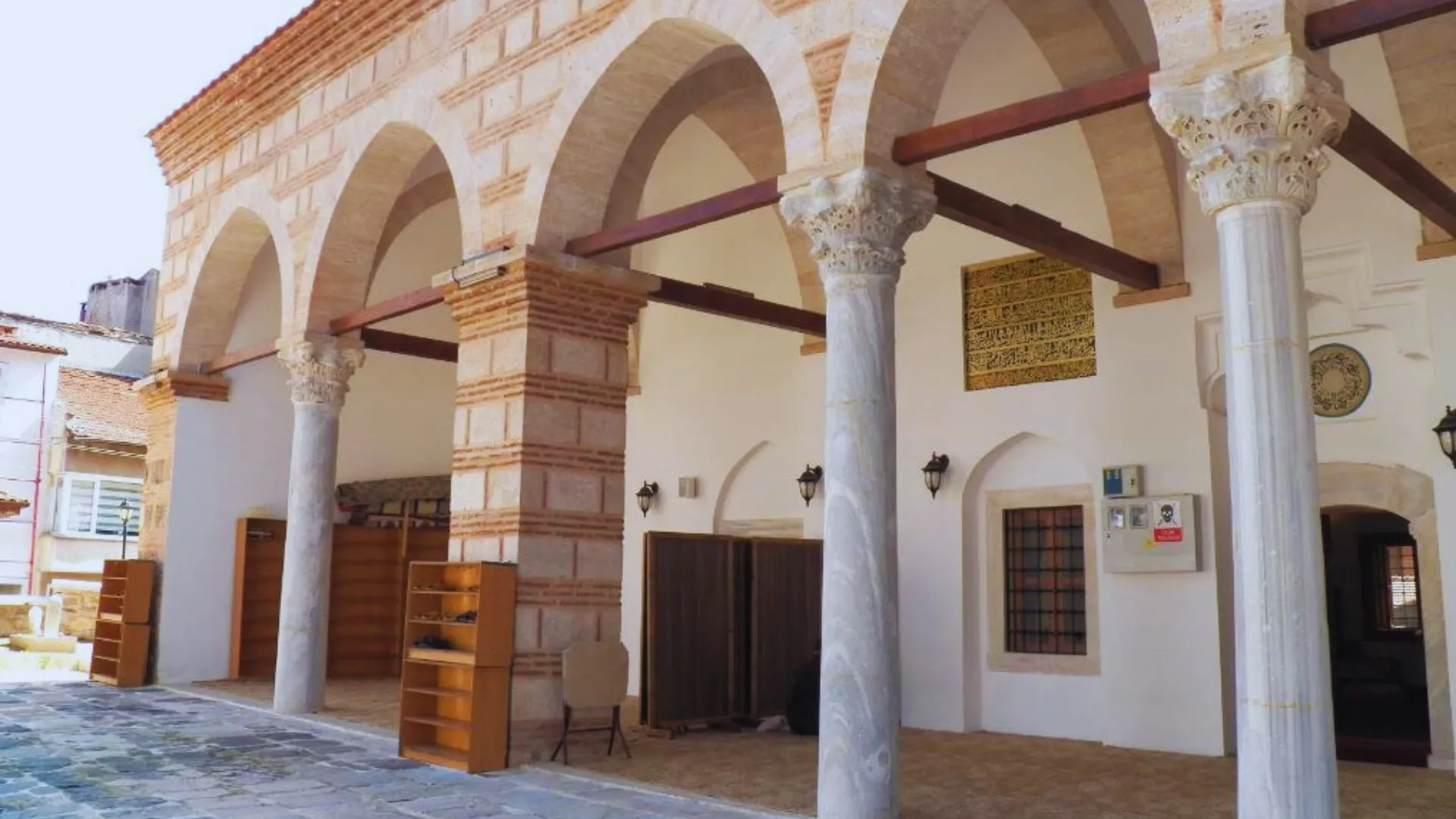
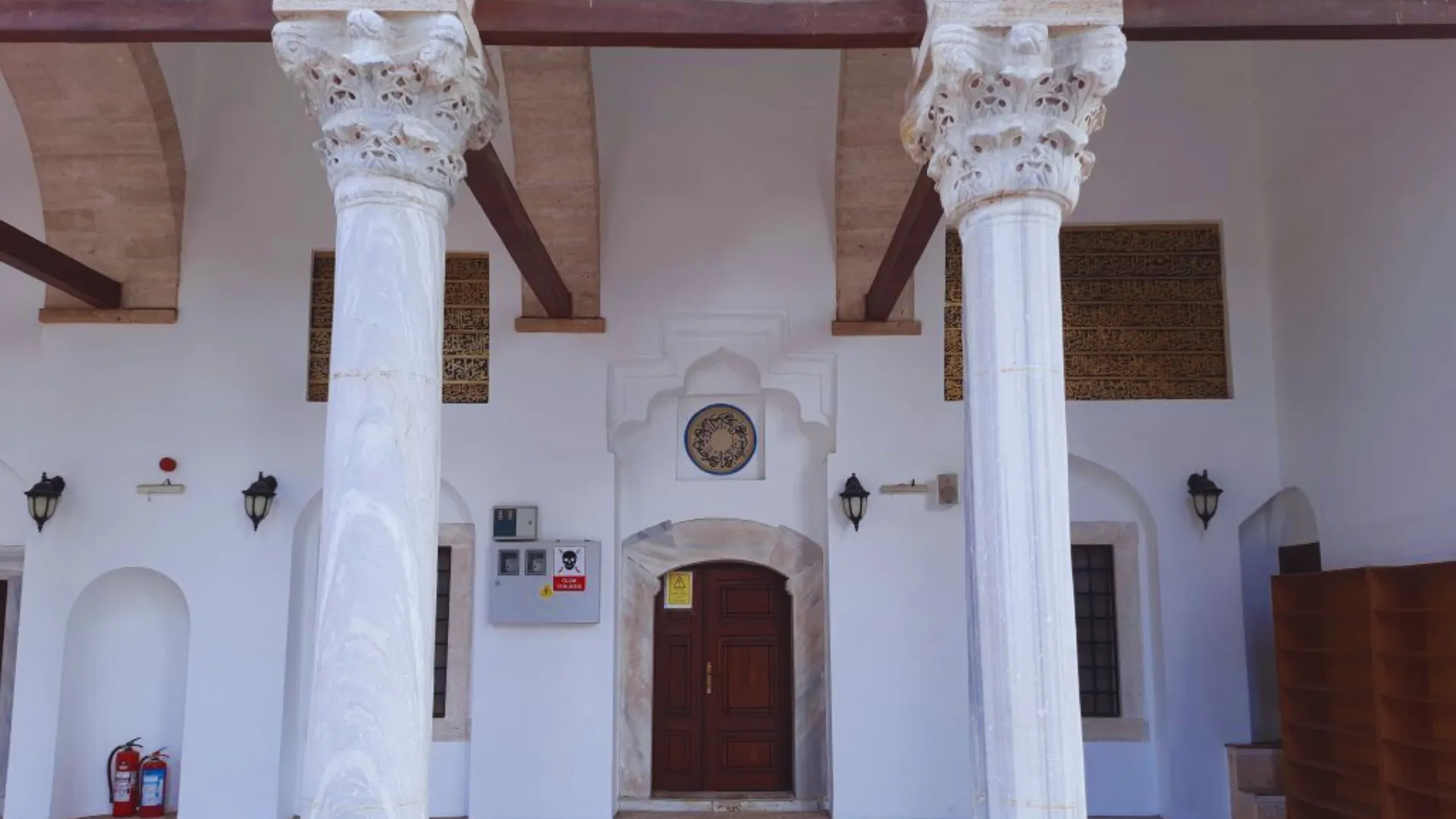
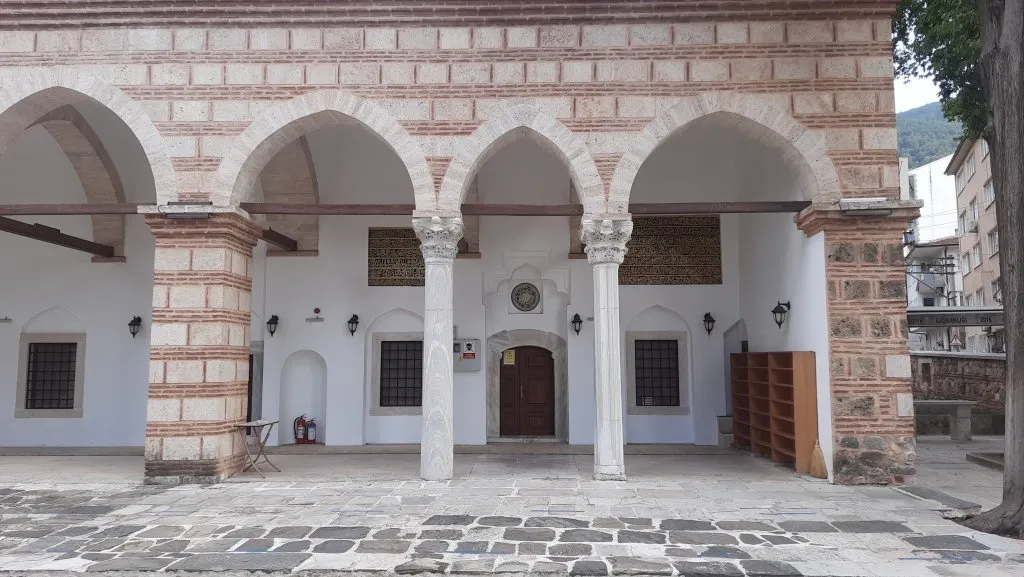
Among the mosque’s most remarkable features are the Turkish inscriptions carved into marble panels on either side of the entrance. Dating to 1455, these inscriptions contain endowment deeds that are among the earliest known examples written in Turkish in Bursa. They record that the mosque was commissioned by Umur Bey and identify the nearby Umur Bey Bath, the Tuzpazarı Caravanserai, and various shops as properties belonging to the endowment. These documents provide valuable insight into the Ottoman charitable endowment system and the historical use of Turkish in official records.
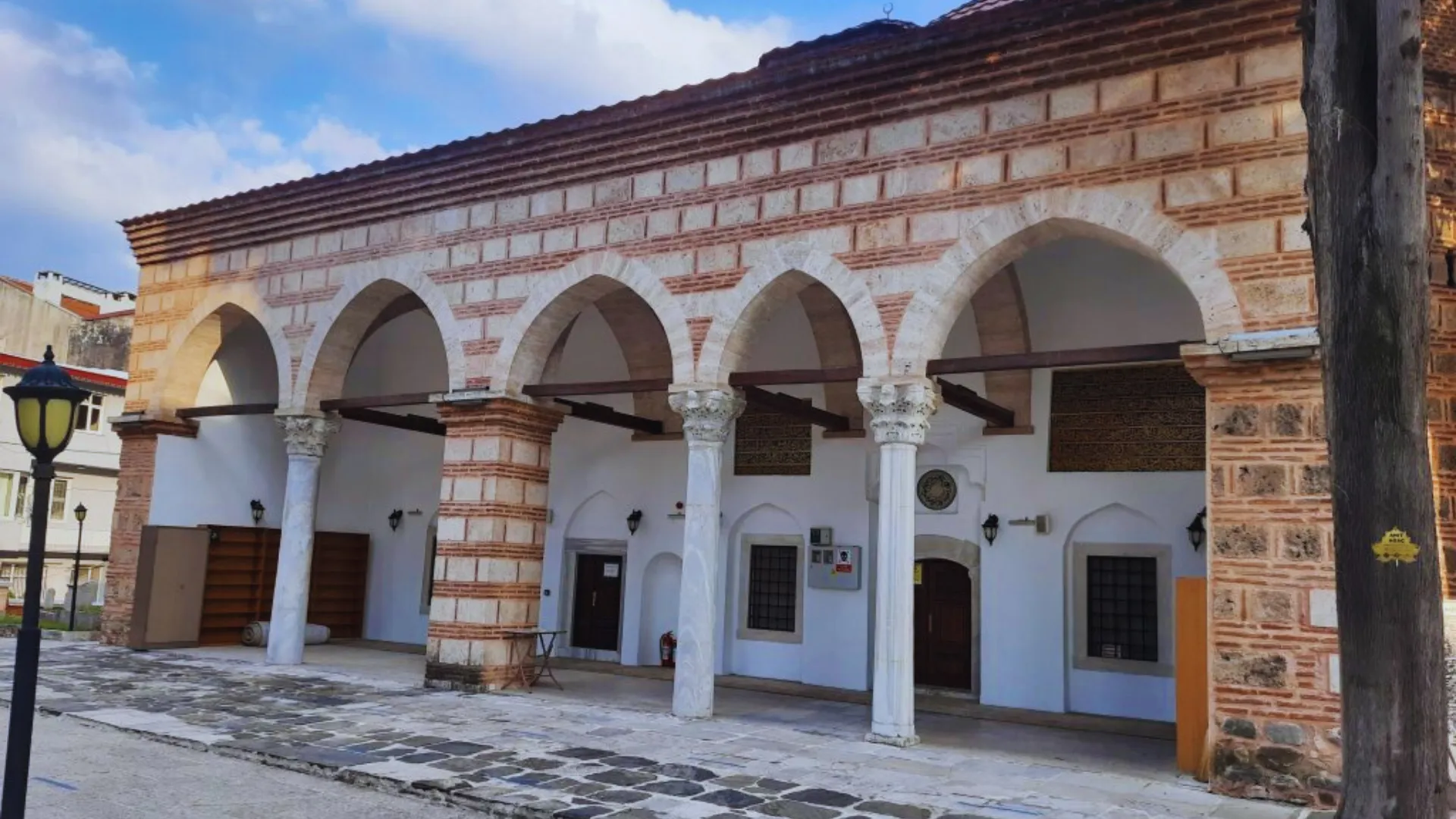
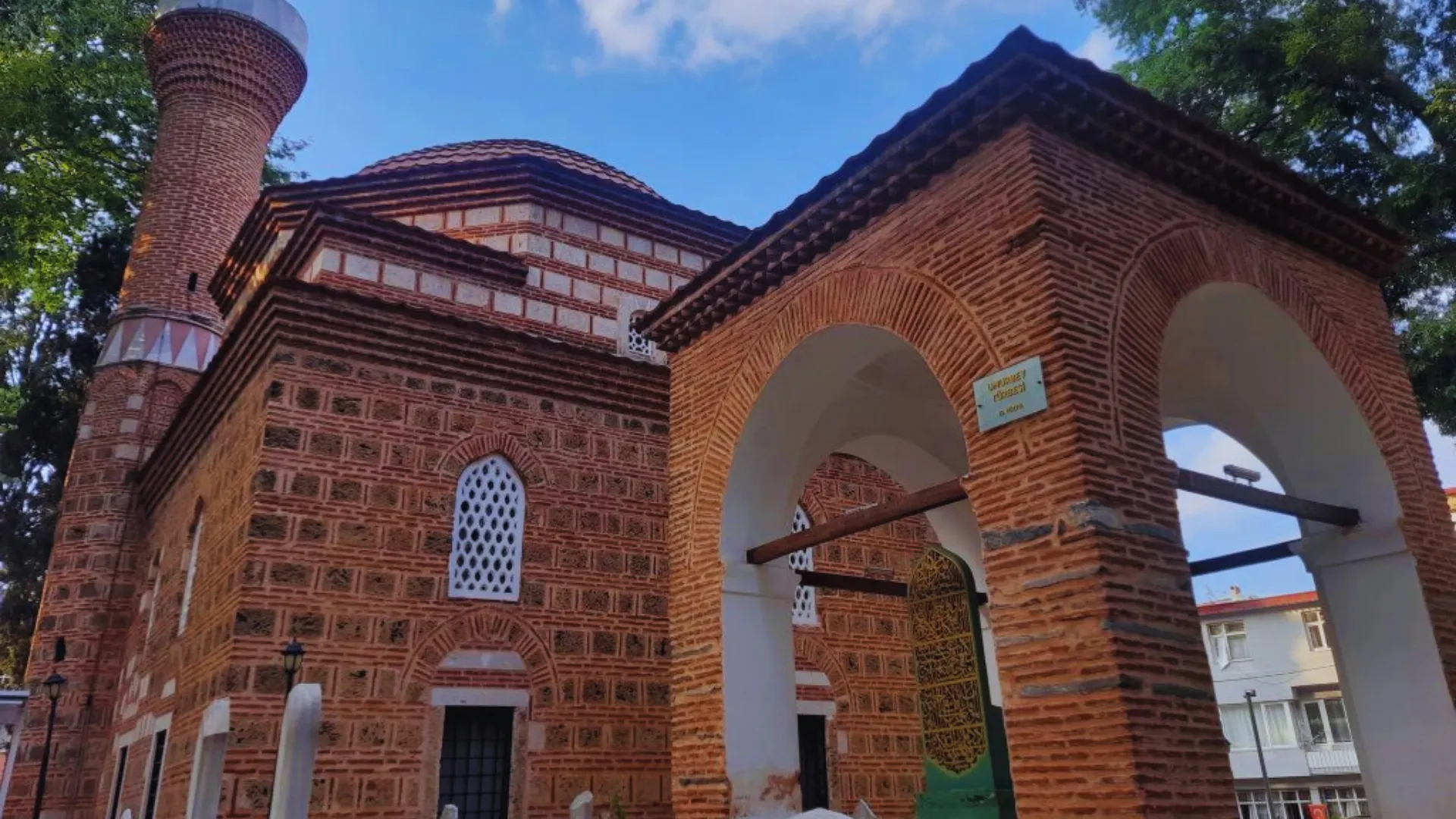
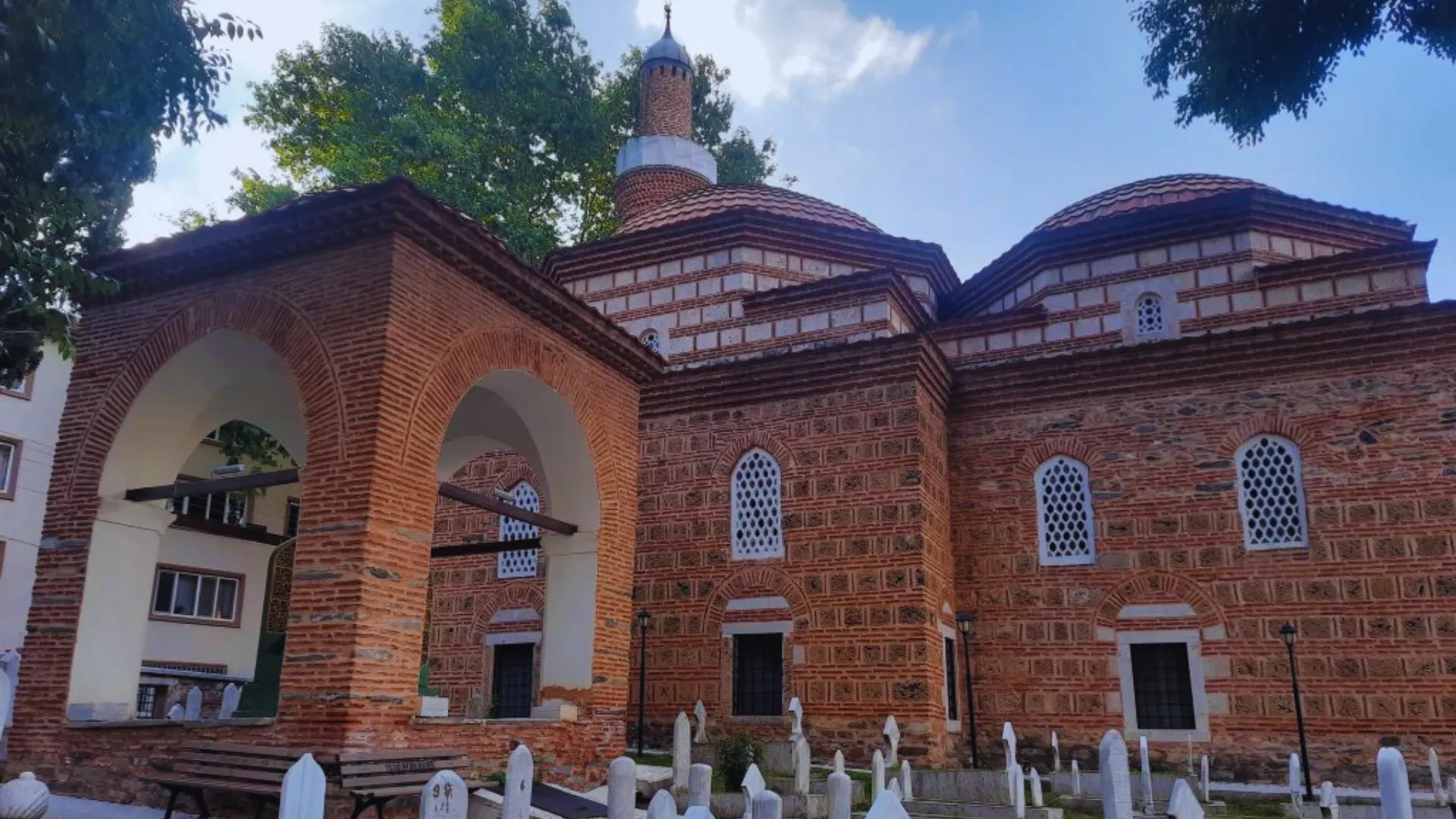
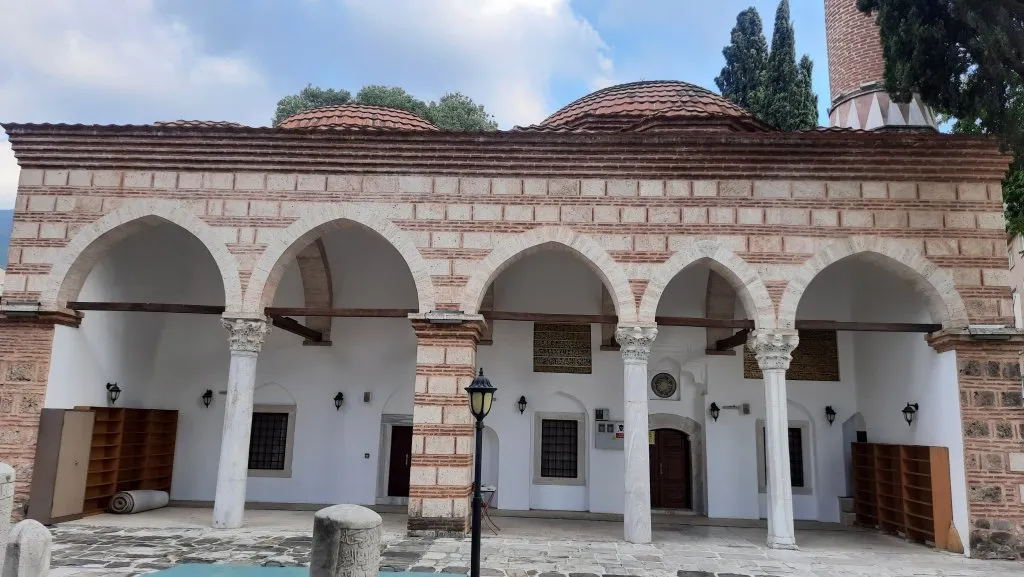
Including its entrance portico, the mosque has a rectangular overall plan. The main prayer hall is square and covered by a dome, while a second room is known to have been used for educational purposes when the building was first constructed. This arrangement reflects the close relationship between religious and educational activities in Ottoman society.
The five-bay entrance portico is supported by three reused Byzantine columns with Corinthian capitals. The incorporation of architectural elements from an earlier period reflects Bursa’s layered architectural history and the interaction of different cultural traditions.
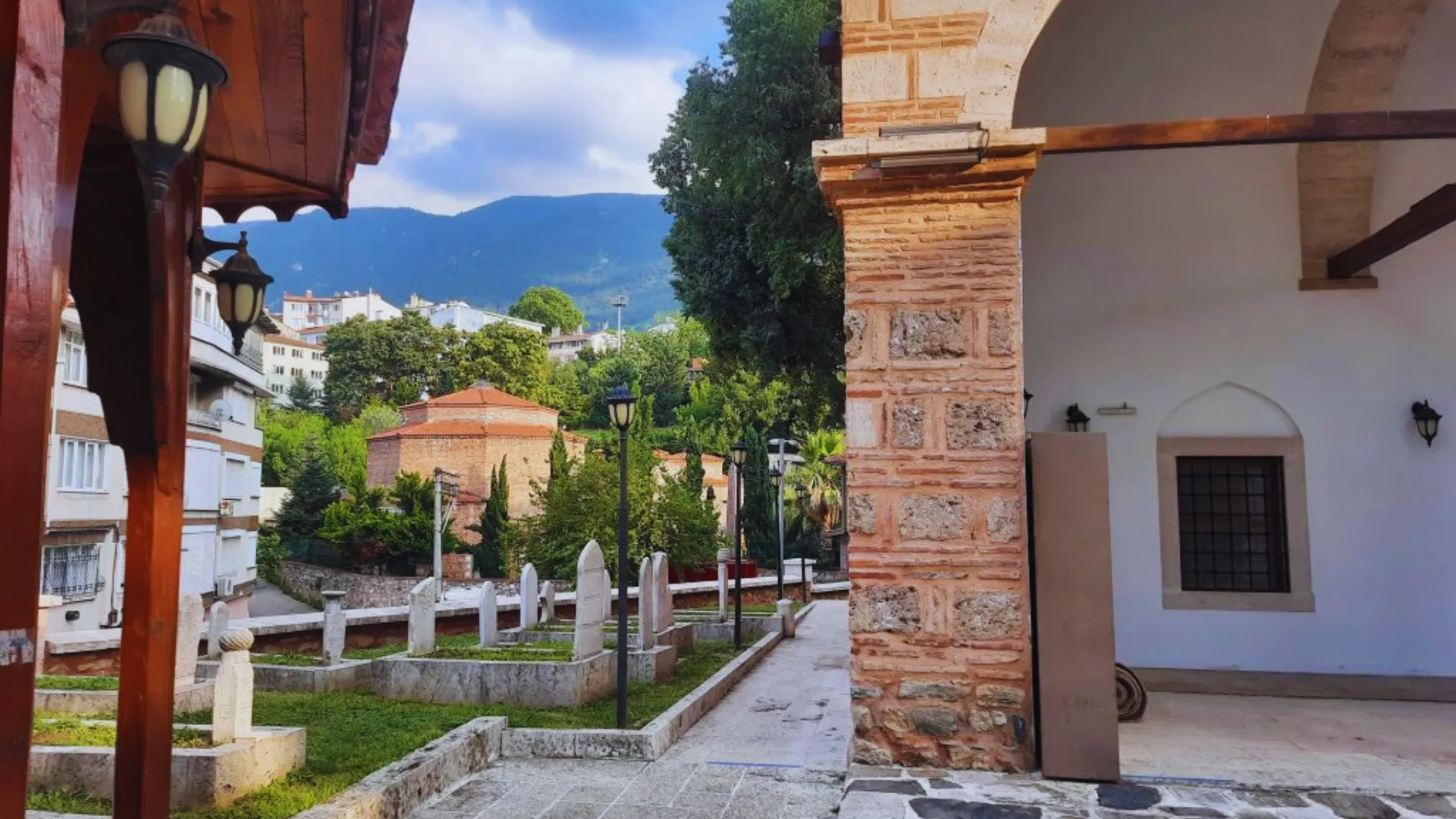
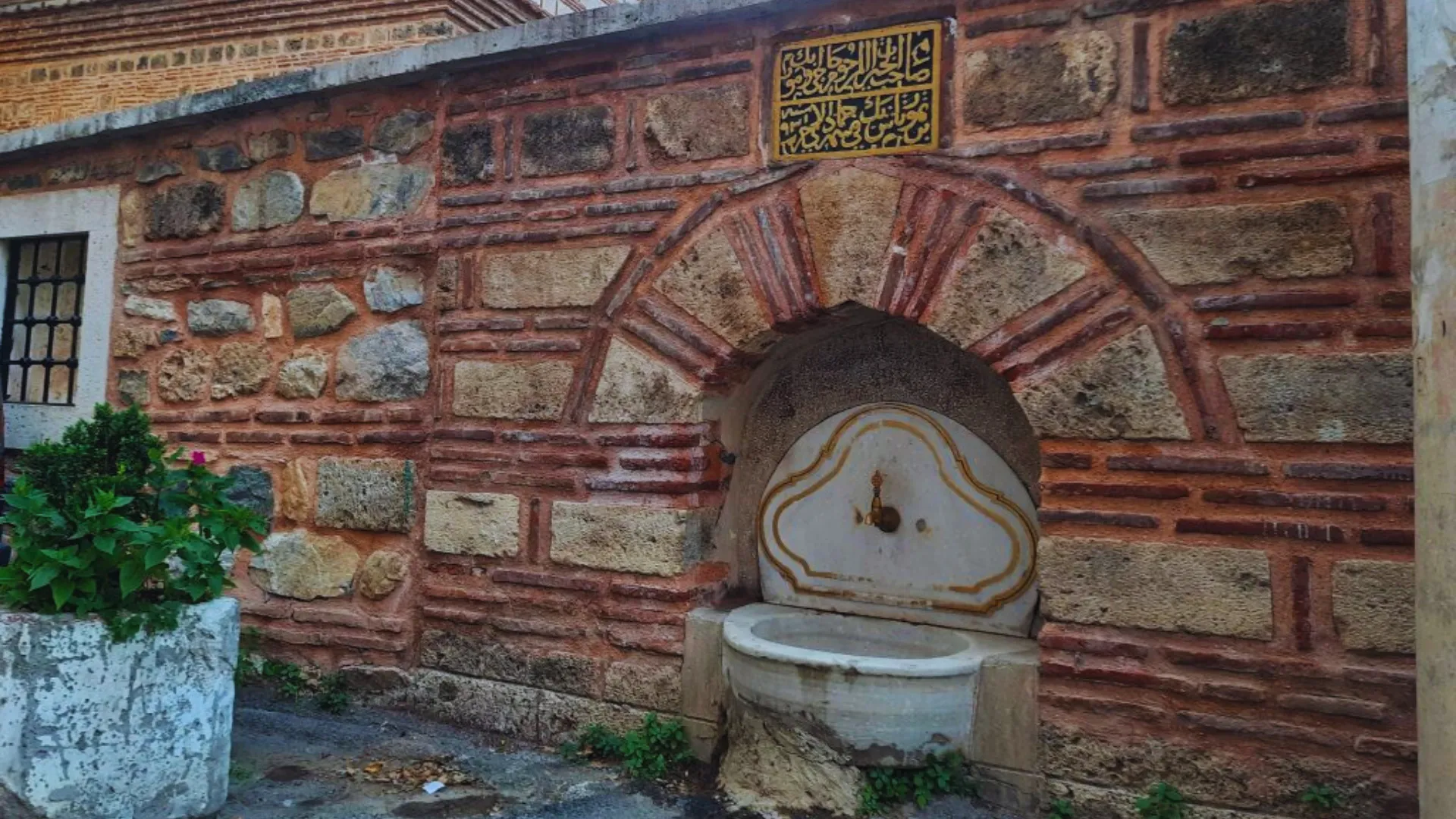
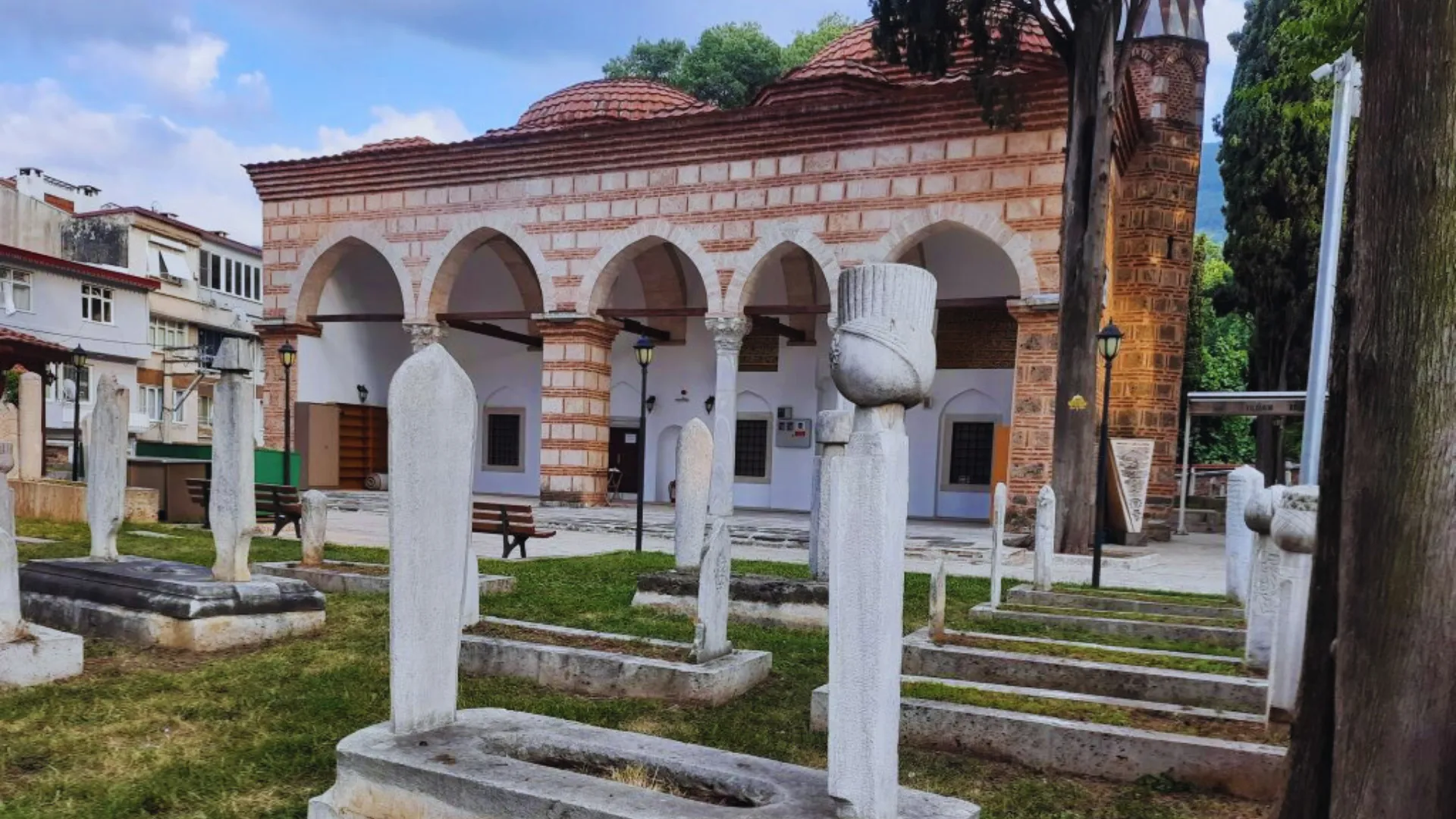
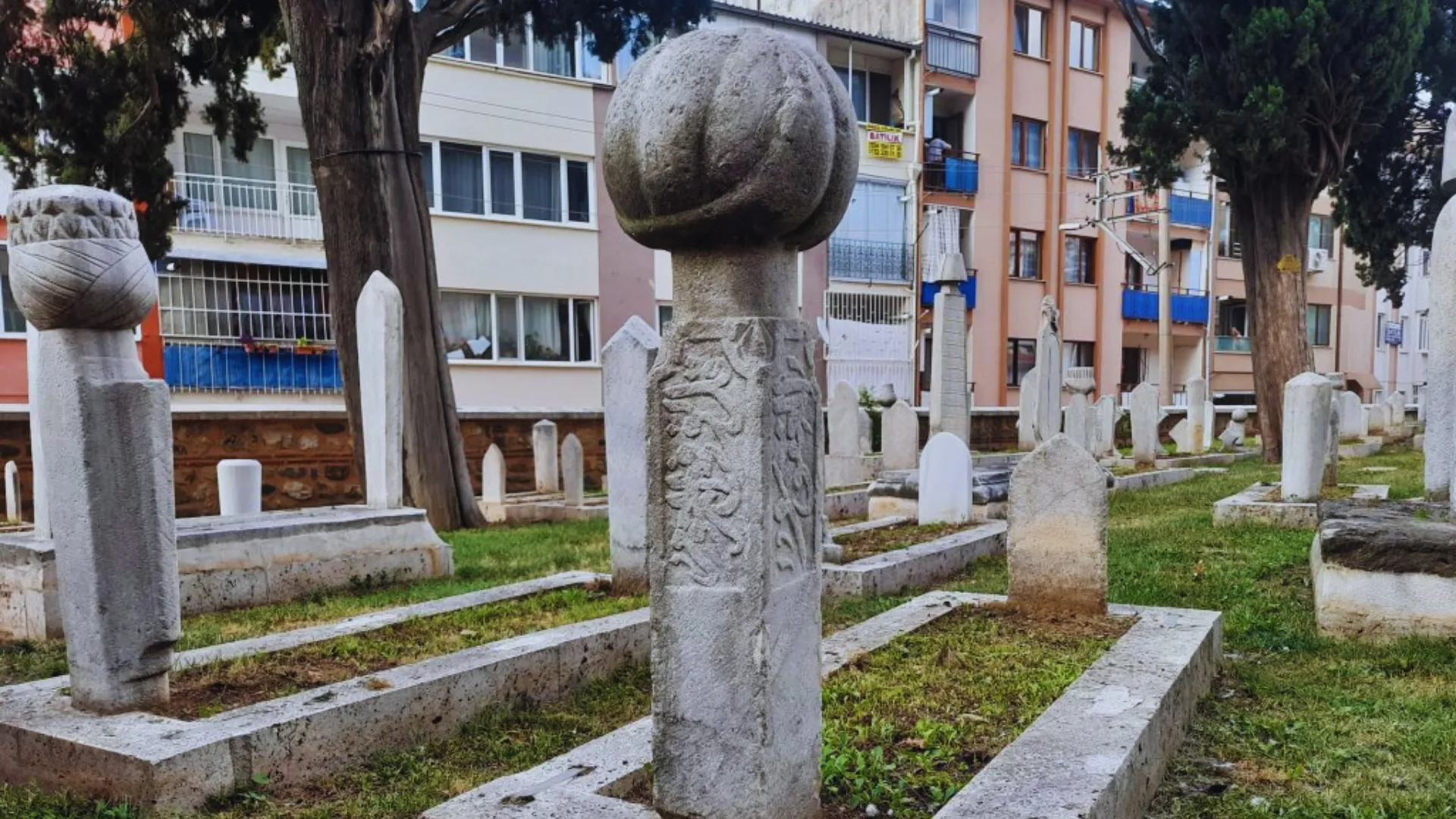
The mosque also features a spacious garden and a historic graveyard. Set into its western wall is a fountain dedicated to Umur Bey. According to its inscription, the fountain was constructed in 1525, 64 years after Umur Bey’s death, preserving his memory for later generations.
Over the centuries, Umur Bey Mosque has undergone several repairs and restorations, including interventions in 1627–1628, 1795, 1825, 1858, and 2014. These conservation efforts have helped preserve the building’s architectural character and historical significance.
Umur Bey Mosque is an important destination for cultural and religious tourism in Bursa. Its early Ottoman architecture, historic Turkish endowment inscriptions, reused Byzantine columns, and connection to the Ottoman charitable foundation tradition offer visitors a fascinating perspective on the city’s rich heritage.
Interactions
Other Venues

For All Requests, Complaints, and Questions
444 16 00